

How Custom Kitchen Cabinets Can Be Personalized for Your Kitchen's Needs
Custom cabinetry plays a defining role in how efficiently and comfortably a kitchen functions. Beyond appearance, it determines how storage is organized, how movement flows through the space, and how well everyday tasks are supported. Thoughtful design allows homeowners to align every cabinet detail with their routines, preferences, and long-term needs. When properly planned, cabinetry becomes an integrated part of the home rather than a standalone feature.
In many renovation projects, homeowners are increasingly prioritizing tailored storage solutions that reflect how they actually use their kitchens. This shift toward personalization has made cabinetry one of the most important elements in modern kitchen design. Well-planned storage also helps reduce daily friction by keeping essential items consistently within reach.
Designing Custom Cabinets Around Everyday Functionality
Understanding Storage Requirements for Daily Use
Effective design begins with understanding how storage needs vary from household to household. Some kitchens require expansive pantry organization, while others prioritize cookware accessibility or dish storage efficiency. This is where kitchen cabinets become more than structural elements; they function as personalized storage systems built around real habits.
A well-designed layout considers everything from food preparation patterns to cleaning routines. Items used daily should be placed within easy reach, while occasional-use appliances can be stored in higher or lower compartments. This approach reduces clutter and streamlines movement, allowing the kitchen to operate more intuitively.
It also helps to account for household size and cooking frequency. A family that cooks multiple meals per day will require a very different storage configuration compared to a household that primarily prepares quick meals or orders takeout often. Custom planning ensures that storage capacity aligns with actual usage rather than a generic standard.
Adapting Layouts to Cooking and Cleaning Habits
Customization allows cabinetry to reflect the natural rhythm of cooking and cleaning activities. For example, households that cook frequently benefit from storage positioned near prep zones, while those that host guests often may need expanded serving and display areas. In both cases, kitchen cabinets can be arranged to support efficiency rather than force adaptation.
When layouts are designed with these habits in mind, the kitchen becomes easier to navigate. Workflow improves because tools, ingredients, and cleaning supplies are placed exactly where they are needed most. This reduces unnecessary steps and creates a smoother daily experience.
It also minimizes overlap between tasks. For instance, separating prep storage from cleanup storage can reduce congestion around sinks and workspaces. The result is a kitchen environment that supports multiple users at once without confusion or interruption.
Personalizing Storage With Materials, Finishes, and Craftsmanship
Selecting Durable Materials for Long-Term Use
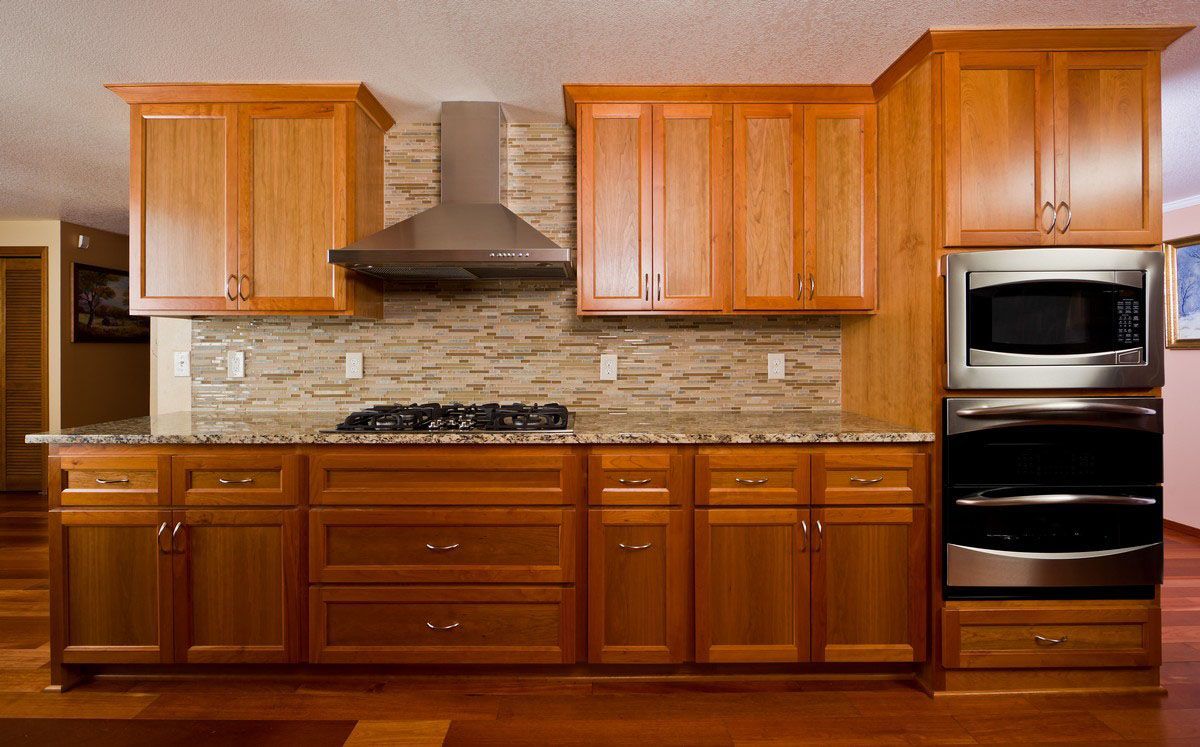
Material selection is one of the most important steps in customizing cabinetry. Solid woods, engineered panels, and composite materials each offer different advantages depending on durability requirements and design preferences. Choosing the right combination ensures that kitchen cabinets maintain structural integrity while meeting aesthetic goals.
Durability is especially important in high-use environments where moisture, heat, and frequent handling are common. High-quality materials reduce wear over time and help preserve both appearance and performance. This ensures that the investment remains functional for years without requiring frequent replacement or repair.
Material choice also affects maintenance demands. Some surfaces are easier to clean and resist staining better than others, which can significantly influence long-term satisfaction. Selecting materials with both performance and upkeep in mind creates a more practical and sustainable kitchen environment.
Coordinating Finishes With Interior Style
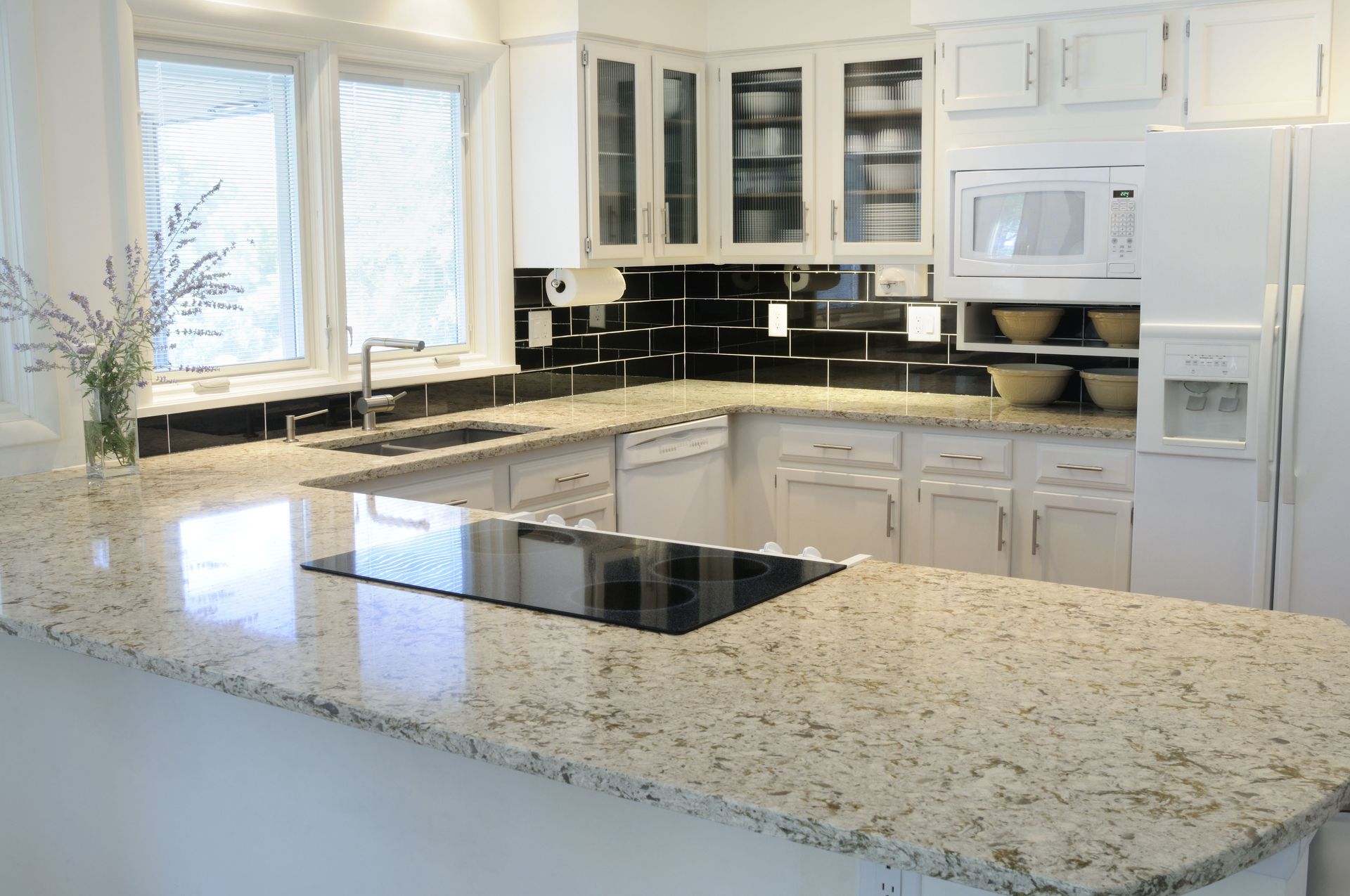
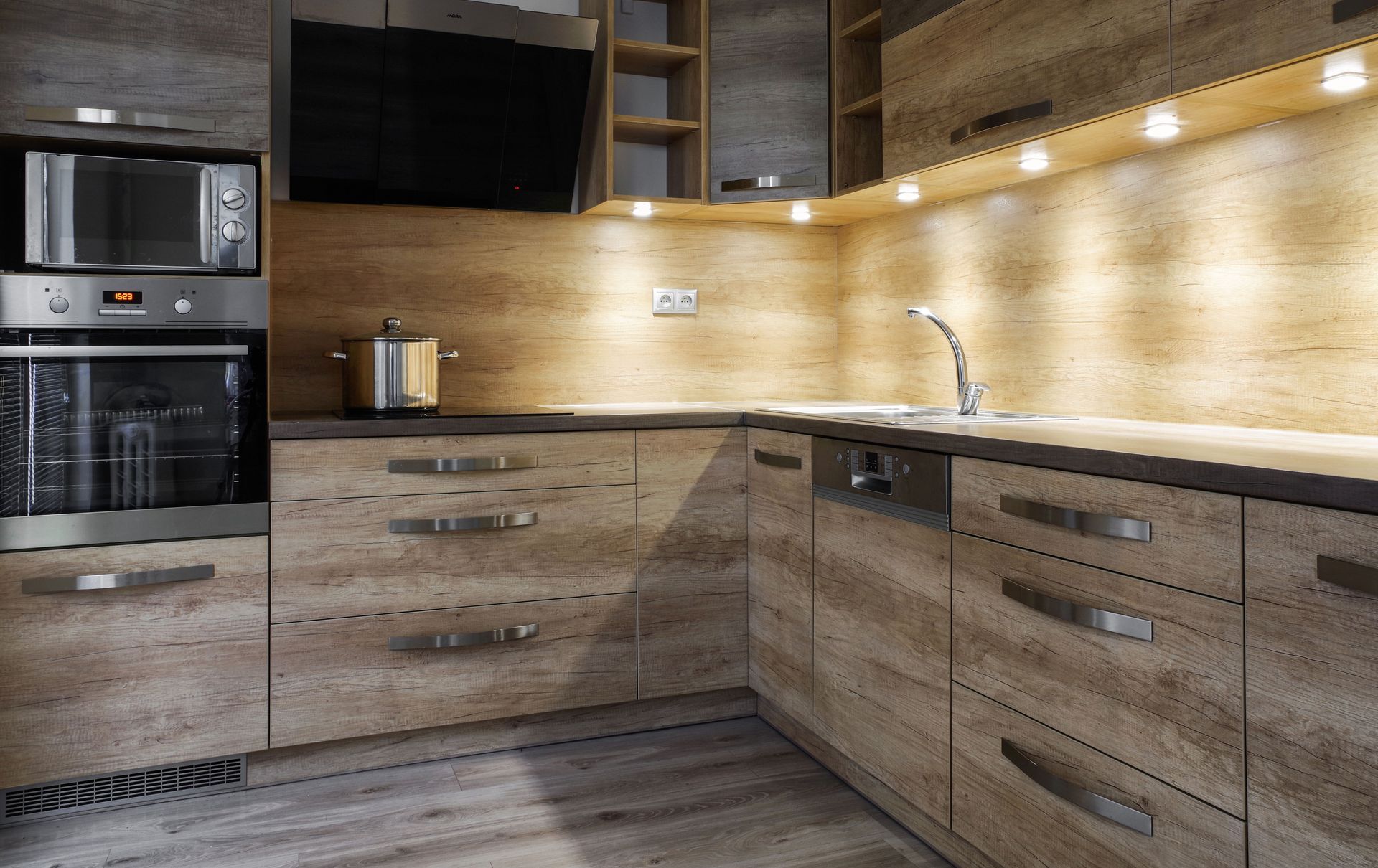
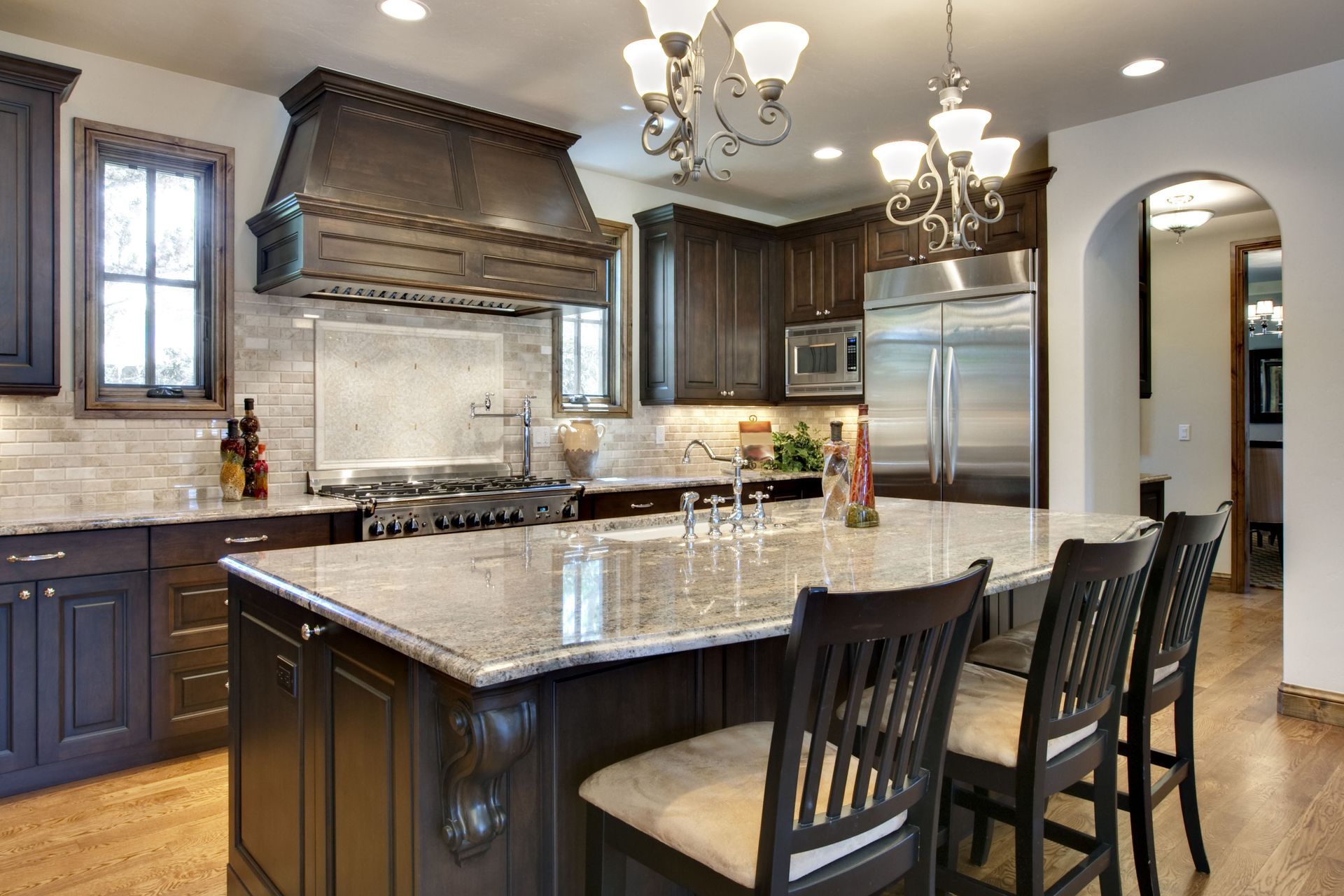
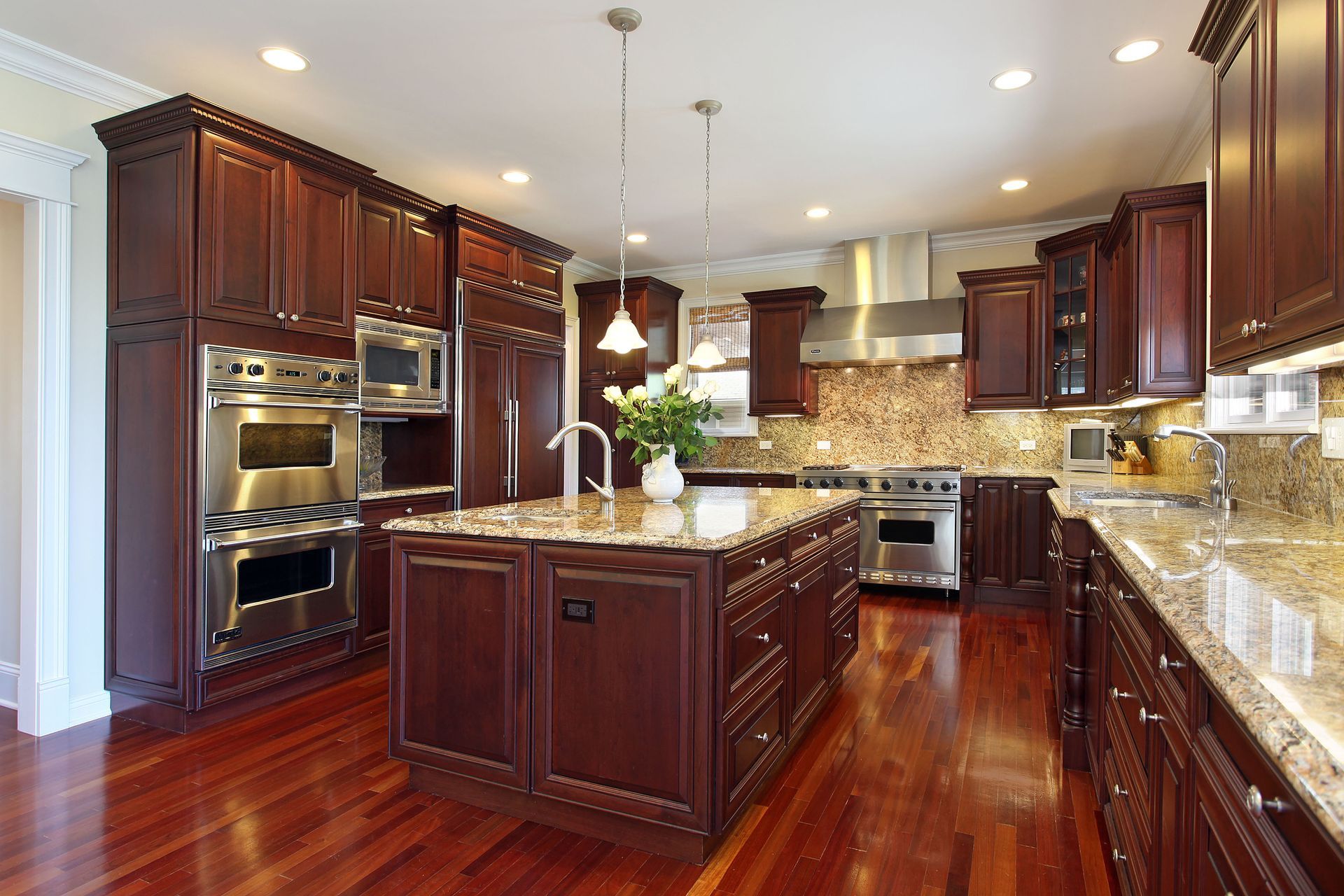
Finishes define the visual personality of cabinetry and help integrate it with the surrounding interior design. Whether the goal is a warm traditional look or a sleek contemporary feel, finish selection plays a critical role in achieving consistency throughout the space. The right choice ensures that kitchen cabinets complement flooring, countertops, and wall treatments.
Color, texture, and sheen all contribute to how cabinetry interacts with light and space. A well-coordinated finish can make a small kitchen feel larger or add warmth to a more open layout. This level of personalization helps create a unified environment that feels intentional and refined.
Finishes can also be used to create focal points or subtle contrasts within the kitchen. For example, darker lower cabinets paired with lighter upper units can add depth without overwhelming the space, giving the design a more dynamic and layered appearance.
Integrating Built-In Features for Efficiency
Built-in elements are a major aspect of customization because they directly improve usability. According to Houzz, approximately 76% of homeowners incorporate built-in cabinet features during kitchen renovations, showing how common integrated design has become. This reflects a strong preference for storage solutions that maximize space while maintaining a seamless appearance.
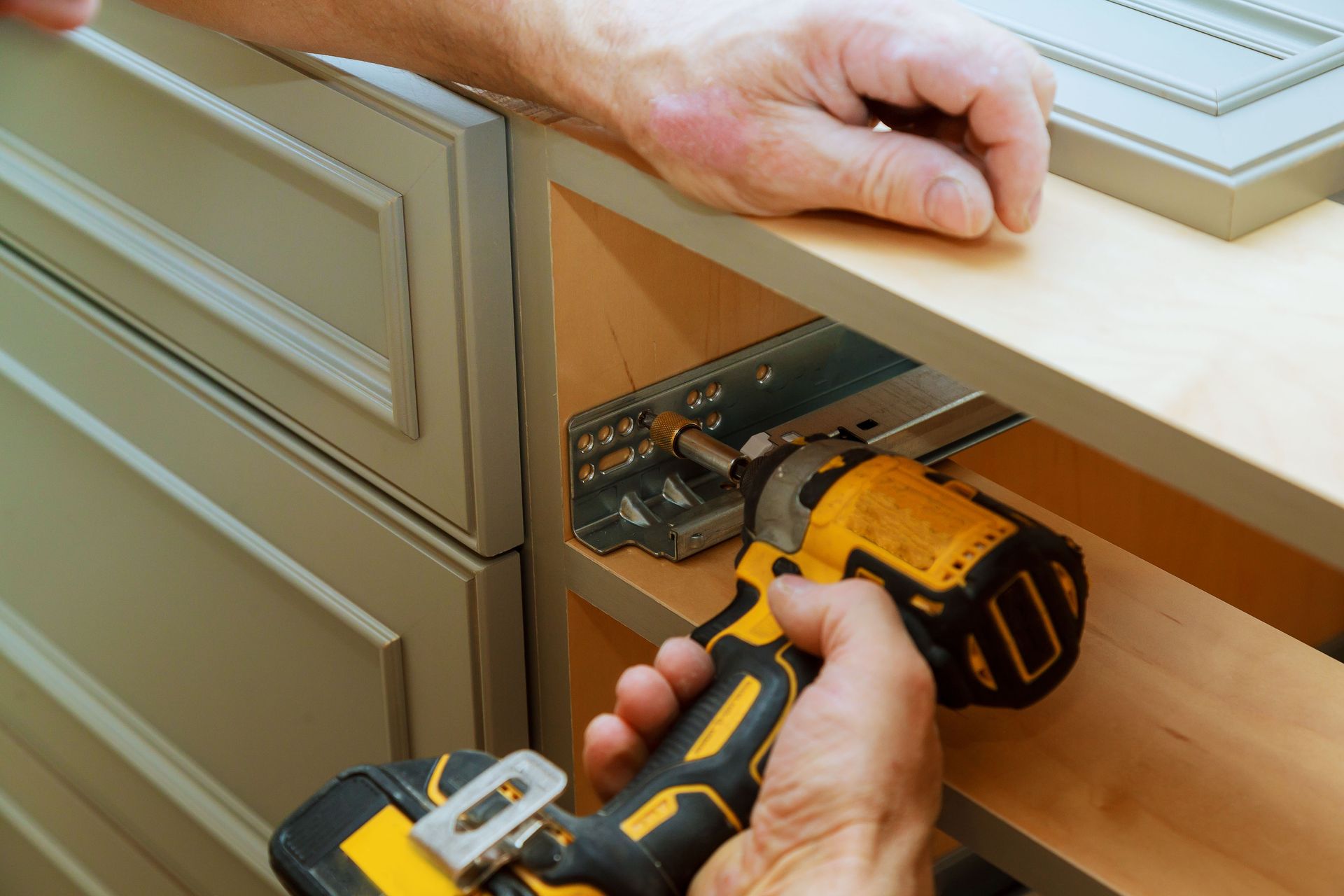
These features can include pull-out trays, internal dividers, and concealed storage compartments that enhance organization without adding visual clutter. When incorporated effectively, they allow kitchen cabinets to support more efficient use of space while maintaining a clean and cohesive look. The result is a kitchen that functions smoothly without sacrificing design quality.
Additional built-in enhancements can also support better long-term organization. Adjustable shelving, hidden waste systems, and specialized storage for utensils or appliances help ensure that every item has a designated place. This reduces disorganization and keeps the kitchen consistently functional.
Creating Long-Term Value With Tailored Cabinet Design
Maximizing Space in Small and Large Kitchens
Space optimization is one of the most significant advantages of custom cabinetry. In smaller kitchens, every inch must be carefully utilized, while larger kitchens benefit from strategic distribution of storage zones. In both cases, kitchen cabinets can be designed to enhance capacity without compromising usability.
Custom layouts allow for vertical expansion, corner utilization, and depth adjustments that standard cabinetry cannot always provide. This ensures that storage aligns precisely with spatial constraints, resulting in a kitchen that feels both efficient and open regardless of size.
It also allows for better zoning within the kitchen itself. Dedicated areas for cooking, prepping, and storing create a more logical flow that improves day-to-day functionality. Even compact kitchens can feel significantly more organized when space is intentionally allocated.
Ensuring Cohesive Design Across the Home
Cabinetry should not exist in isolation; it should reflect the broader design language of the home. Consistency in style, color palette, and material selection helps create a seamless transition between rooms. When thoughtfully designed, kitchen cabinets contribute to a unified interior environment that feels intentional and well-planned.
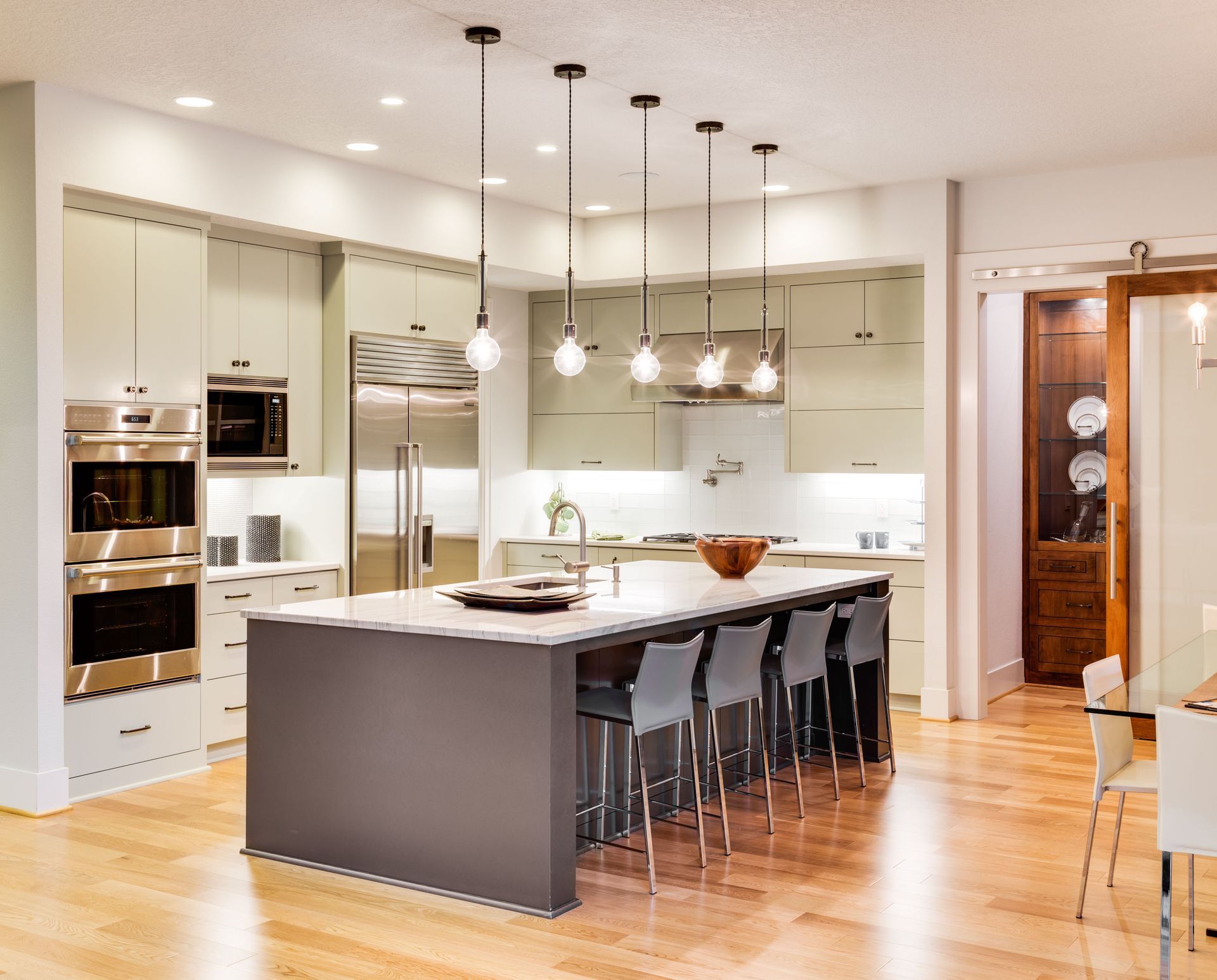
This cohesion is particularly important in open-concept layouts, where the kitchen is visible from living and dining areas. In these spaces, cabinetry becomes a visual anchor, reinforcing the overall aesthetic direction of the home while maintaining functional integrity.
When design elements are aligned across spaces, the home feels more intentional and balanced. This continuity enhances both comfort and visual appeal, making the kitchen feel like a natural extension of the rest of the interior rather than a separate zone.
Custom kitchen cabinets offer a structured way to align kitchen design with daily living patterns, aesthetic preferences, and long-term functionality. Through careful planning, material selection, and layout design, homeowners can create spaces that are both practical and visually cohesive. When executed thoughtfully, cabinetry becomes a foundational element that supports efficiency, organization, and lasting value in the home. A thoughtful design process also ensures the kitchen remains adaptable as needs evolve over time. If you're interested in how personalized custom cabinets can enhance your kitchen space, reach out to Monarch Cabinetry Springfield today!
Share On: