

How to Pair Countertops and Cabinets for a Balanced Look
Creating a balanced look between countertops and cabinets is one of the most important decisions in any kitchen design. It’s not just about picking materials you like—it’s about how those materials interact to create a space that feels cohesive, functional, and comfortable to use every day. When everything works together, the kitchen naturally feels more inviting and visually complete. Many homeowners quickly realize that partnering with experienced kitchen cabinet makers helps simplify the process and leads to more confident design decisions.
Whether you're remodeling an outdated kitchen or designing a new one from scratch, pairing countertops and cabinets the right way can make all the difference. The goal is to strike a balance between contrast and harmony, durability and style, and personal taste and timeless appeal. With the right approach, you can avoid common pitfalls and create a kitchen that feels intentional rather than overdesigned. Taking the time to plan each detail upfront also helps prevent costly changes later, keeping your project on track both visually and financially.
Choosing Colors That Complementing the Space
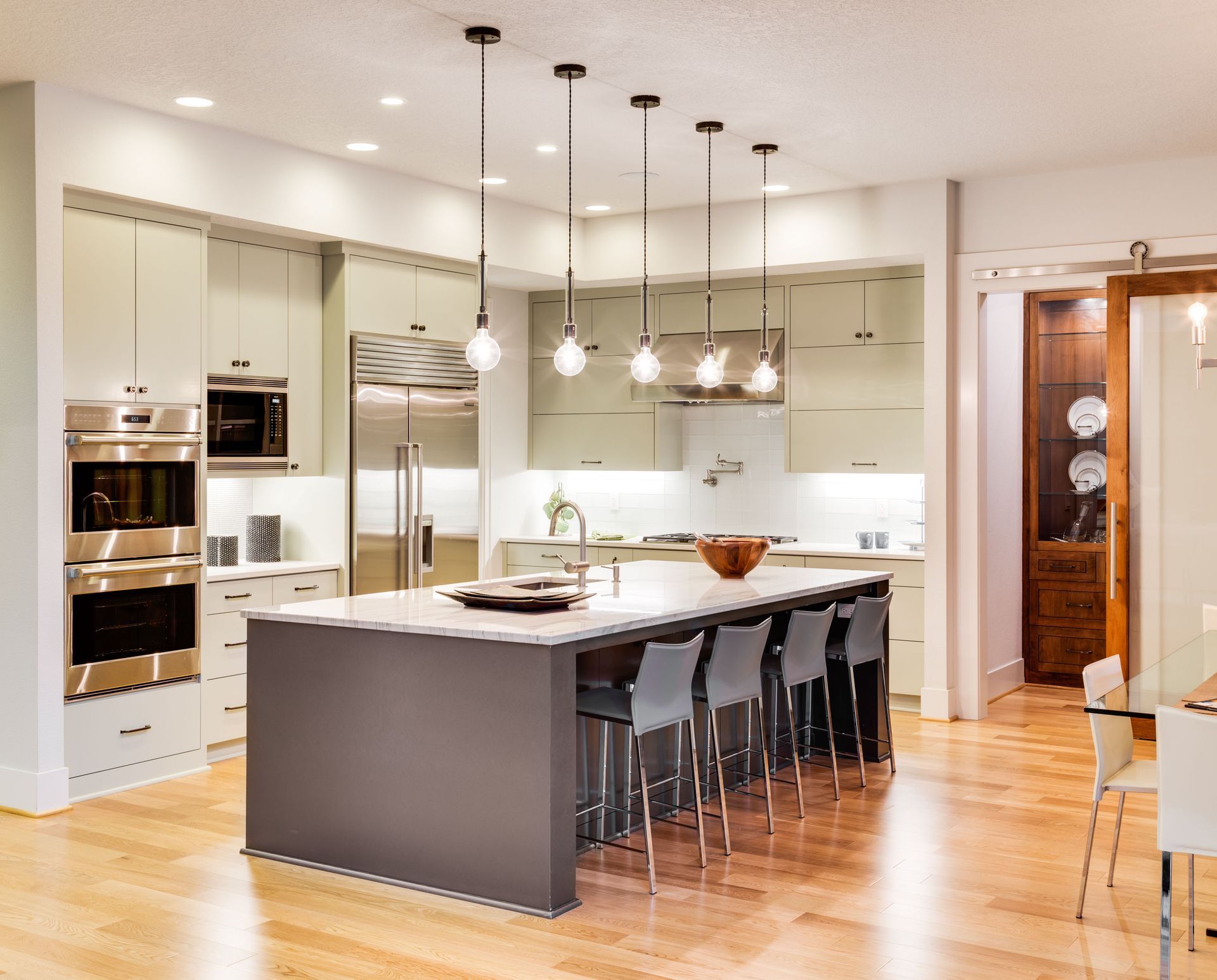
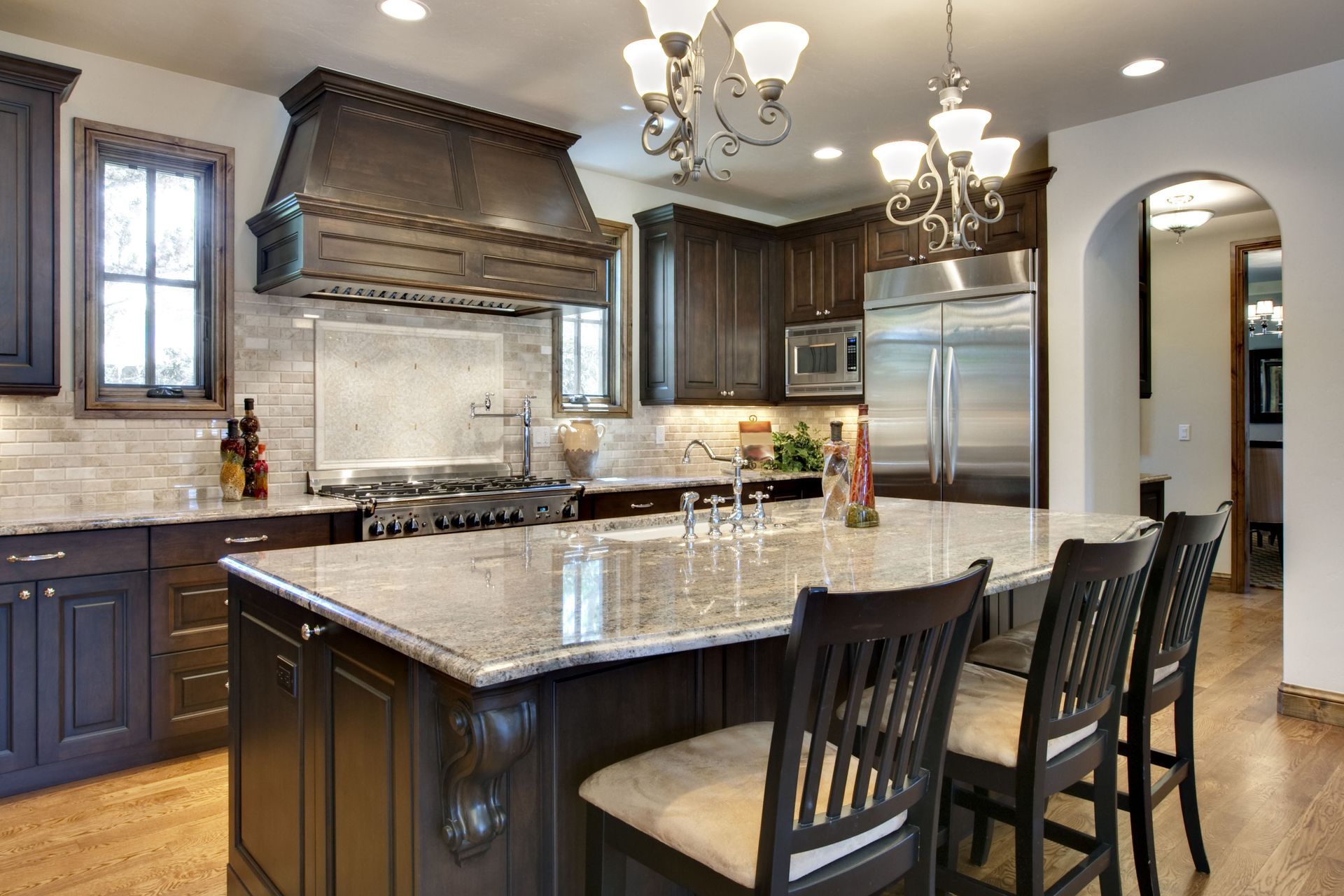
Color is often the starting point for any kitchen design, and it plays a major role in how the space is perceived. When pairing countertops and cabinets, you’ll need to decide whether you want a high-contrast look or something more cohesive. Dark cabinets paired with light countertops can create a bold, modern feel, while similar tones produce a softer and more unified appearance.
That said, color selection isn’t always straightforward. Lighting, surrounding finishes, and even room size can influence how colors appear once installed. This is where kitchen cabinet makers provide real value, helping you compare samples in your actual space instead of relying on showroom displays. Taking the time to test combinations ensures your kitchen feels balanced rather than visually disconnected. It also gives you more confidence in your choices before making a long-term investment.
Balancing Tones With Creating Harmony
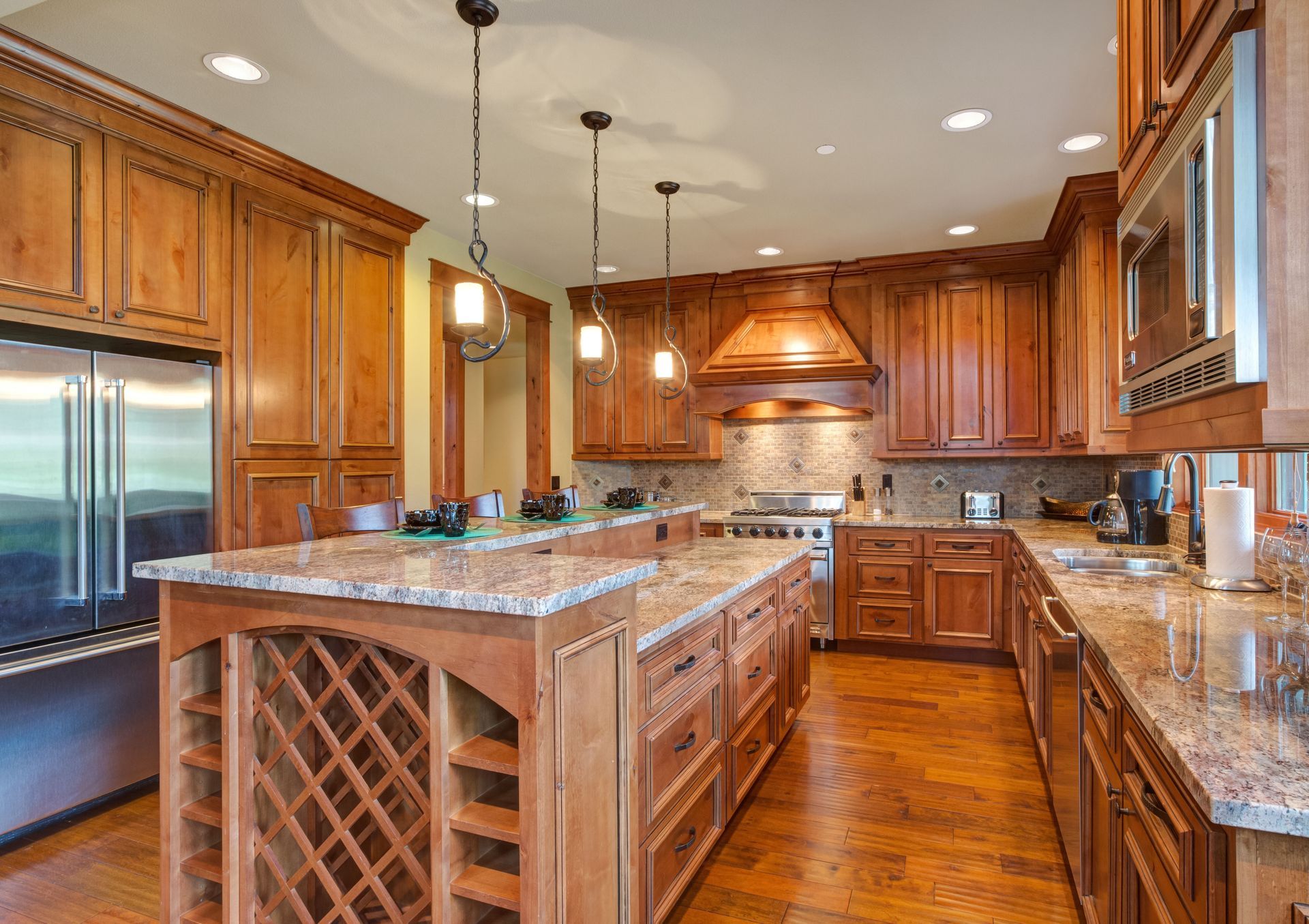
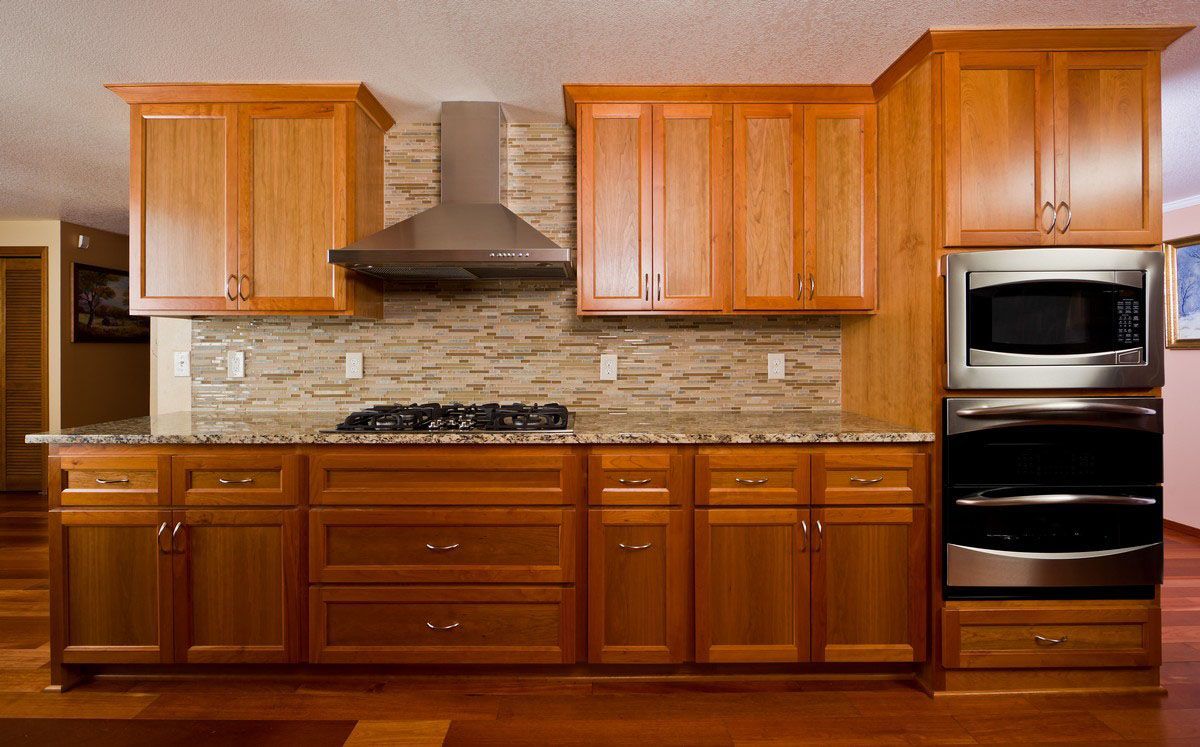
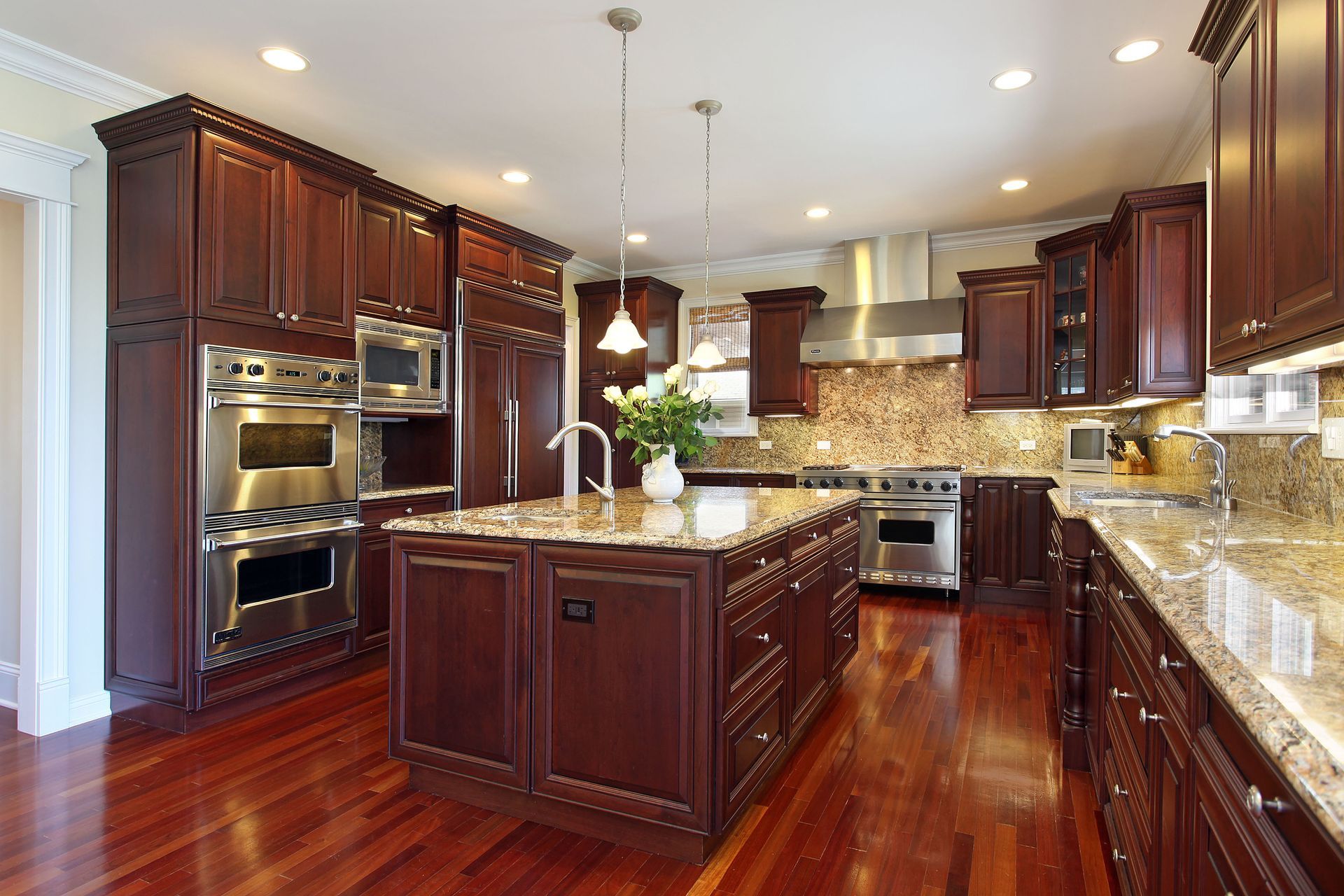
Tone goes a step beyond color and focuses on the underlying warmth or coolness of a material. Even when two colors look similar, mismatched undertones can throw off the entire design. For example, a cool gray countertop may not pair well with warm-toned wood cabinets unless there’s a transitional element that bridges the gap.
A reliable way to maintain balance is to establish a dominant tone and build around it. Kitchen cabinet makers often recommend choosing cabinetry first since it occupies more visual space, then selecting countertops that complement or contrast it in a controlled way. This layered approach helps create a natural flow, preventing any one element from feeling out of place. Over time, this kind of thoughtful pairing also contributes to a design that ages well rather than feeling dated.
Mixing Materials Without Overpowering the Design
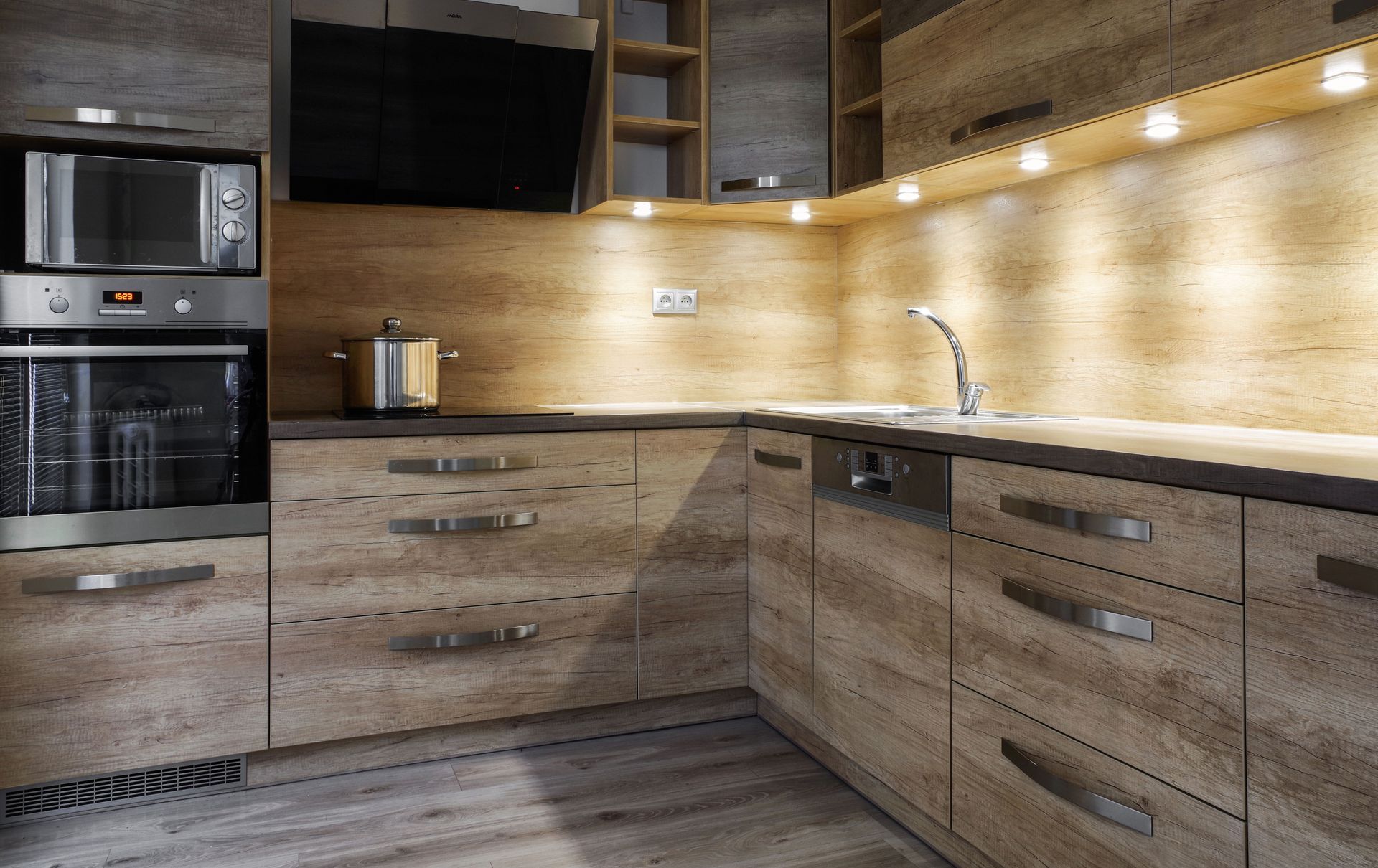
Mixing materials like wood, quartz, granite, or laminate can add depth and personality to your kitchen, but too much variation can quickly become overwhelming. A balanced design usually includes one standout material supported by more subtle elements. This keeps the space visually interesting without making it feel cluttered.
For example, if your countertop features bold veining or dramatic patterns, simpler cabinet finishes can help tone things down. On the other hand, if your cabinets have intricate detailing, a more understated countertop can provide balance. Kitchen cabinet makers often help guide these decisions, ensuring the materials work together rather than compete for attention. This approach keeps the design feeling intentional instead of overly busy.
Coordinating Finishes for Maintaining Consistency
Finish is another factor that significantly impacts how your kitchen looks and feels. Glossy surfaces reflect light and can make a space feel larger, while matte finishes offer a more understated and modern look. Mixing finishes can be effective, but only when it’s done intentionally.
A cohesive kitchen often relies on finishes that complement rather than clash. For instance, pairing satin cabinets with a honed countertop creates a softer, more unified appearance. Kitchen cabinet makers typically recommend viewing finish samples under both natural and artificial lighting to ensure they remain consistent throughout the day. This extra step helps avoid surprises once everything is installed.
Aligning Style With Supporting the Design
Your countertop and cabinet pairing should align with the overall style of your home. A modern kitchen typically favors clean lines, minimal detailing, and a limited color palette. In contrast, a traditional kitchen often features richer tones, decorative elements, and more variation in materials.
Transitional kitchens offer a middle ground by blending modern simplicity with classic warmth. Regardless of the direction you choose, consistency is key. Kitchen cabinet makers can help ensure your selections feel cohesive with the rest of your home, preventing the kitchen from looking like it belongs in a completely different space. This alignment creates a more seamless and intentional overall design.
Incorporating Texture for Adding Depth
Texture is what brings a kitchen to life beyond just color and material. It adds depth, dimension, and a sense of layering that makes the space feel more dynamic. Pairing smooth countertops with textured cabinetry—or vice versa—creates visual interest without overwhelming the design.
Even subtle textures, like wood grain or lightly brushed finishes, can have a noticeable impact. Kitchen cabinet makers often use texture strategically to enhance the overall look while maintaining balance. The goal is to create enough variation to keep things interesting, without introducing so much that the space feels busy or chaotic.
Considering Durability for Supporting Longevity
While aesthetics are important, durability should never be overlooked. Your countertop and cabinet pairing should reflect how you use your kitchen on a daily basis. High-traffic households benefit from materials that can withstand wear and tear while still maintaining their appearance over time.
Quartz countertops, for example, are known for their durability and low maintenance, making them a popular choice for busy kitchens. When paired with high-quality cabinetry, they create a balanced combination of function and style. According to Freedonia Group, demand for kitchen cabinets in the United States is expected to grow steadily, reaching approximately $20.6 billion by 2028 with an annual increase of about 2.2%. This trend highlights how homeowners continue to prioritize both durability and thoughtful design. Kitchen cabinet makers play an important role in helping you select materials that hold up over time without compromising the overall look.
Pairing countertops and cabinets for a balanced look requires careful attention to color, tone, material, finish, and function. When each element is thoughtfully selected and works in harmony with the others, the result is a kitchen that feels cohesive, practical, and visually appealing. It’s not about following strict rules—it’s about making intentional choices that reflect your space and how you use it.
By working closely with experienced kitchen cabinet makers and taking the time to carefully evaluate your options, you can create a kitchen that not only looks great but also functions efficiently and stands the test of time. Thoughtful planning, material selection, and attention to detail all play a role in achieving a space that feels cohesive and tailored to your needs. When every element—from cabinetry to countertops—is chosen with purpose, the result is a kitchen that supports your daily routine while maintaining long-term visual appeal. If you’re ready to bring your vision together with expert craftsmanship, practical guidance, and personalized design solutions, connect with Monarch Cabinetry Springfield.
Share On: